





SILVERADO SPECIAL EDITIONS
If you’re looking for a new Chevy truck, you have your pick among several models.
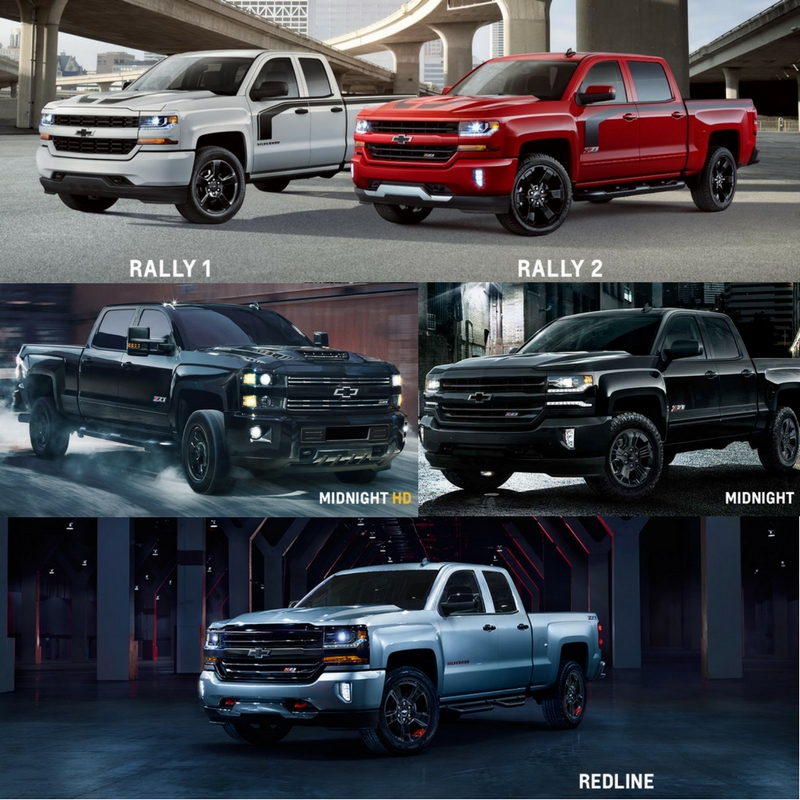
Truck owners love personalization. That’s why Chevy offers a number of different Silverado Special Editions so that you can find exactly the right one for your inner truck personality. Click through for more detail.
Redline
Available on LT Z71 double cabs and LTZ Z71 crew cabs
20-inch black wheels with red accents
Black Silverado badges with red outline
Red tow hooks
Silverado HD Midnight Editions
Black 18″ wheels
Goodyear Wrangler DuraTrac® off-road tires
Black bumpers and grille
Black Chevy bowtie emblems
Midnight
Available on select Crew Cab and Double Cab models†
Black 18″ wheels
Black Chevy bowtie emblems
Black door handles and mirror caps
The Silverado 1500 Rally 1 and Rally 2 Editions
Rally 1
Rally striping on hood and sides
20-inch black wheels
Available on Custom model with Double Cab
Rally 2
22-inch gloss black wheels
4-inch round assist steps
Available on LT Z71 models with Double Cab or Crew Cab
The 2017 Chevy Silverado 2500 HD
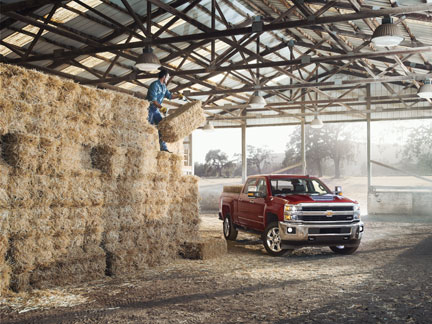
The 2017 Silverado 2500 HD will have more power, tech, and strength for your working and driving pleasure. Learn more about what’s next for the Silverado 2500 HD below.
1. It’s packed with power.
A new year brings a new engine. It’s a 6.6L Turbo-Diesel engine that yields 910 lb.-ft of torque and 445 HP.
2. It’s techy.
Towing is made easier with Trailer Sway Control and a Trailering Camera System. Add in the Diesel Exhaust Braking System and you have one smart vehicle.
3. It’s a power lifter.
With a maximum payload of 3,543 lbs and the ability to tow up to 18,100 lbs, the Silverado 2500 can tackle the hardest of jobs.
Super Bowl Trivia

The Super Bowl will be here in a couple of weeks. Are you ready for the big game? Test your Super Bowl knowledge below.
Which kicker holds the longest field goal in a Super Bowl?
Steve Christie took that record in Super Bowl XXVIII.
Which QB threw the most touchdowns in a Super Bowl?
Steve Young holds that record with 6 touchdowns. It happened in Super Bowl XXIX.
Which Super Bowl has the longest kick-off return for a touchdown and who returned the kick?
Jacoby Jones owns that record with a 108 yard return in Super Bowl XLVII.
What receiver had the most yards in a Super Bowl?
Jerry Rice had a huge 215 yards in Super Bowl XXIII.
Teens, Tech and the new 2016 Chevrolet Malibu
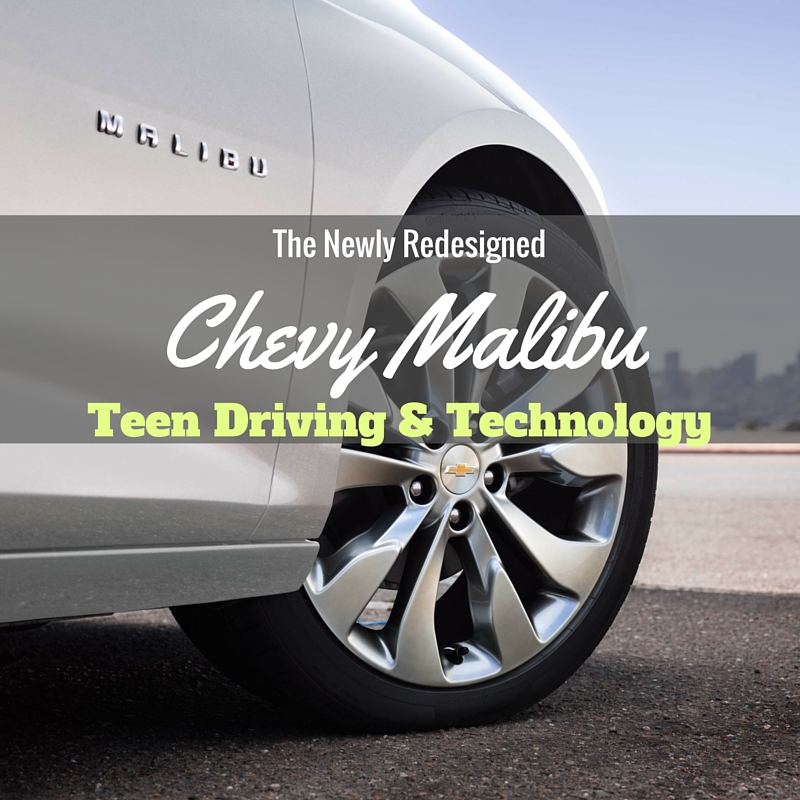
The newly redesigned 2016 Chevy Malibu offers something for pretty much everyone in the family. This newest version of the Chevy Malibu has the team at JK Chevrolet really excited not only for a new look, a new hybrid engine option and several tech features that parents will love. What we’re going to focus on in this post are the tech features parents can use to keep track of their driving habits and encourage safe driving habits for their kids, even when they are not in the car with them. This can be great, especially with new drivers in the family.
The all-new 2016 Chevrolet Malibu debuts a system, called Teen Driver, that provides parents with a tool to help encourage safe driving habits for their kids, even when they are not in the car with them.
It allows parents to set speed alerts, limit audio volume, and even receive vehicle reports “so parents could use it as a teaching tool with their kids-they can discuss and reinforce safe driving habits.
For example:
1. Stereo audio is muted when front seat occupants aren’t wearing safety belts.
2. Audible and visual warnings are given when the Malibu is traveling over preset speeds.
3. Music volume limitations can be put in place.
4. Parents can check to see how the car was driven; whether Forward Collision Alert or Lane Departure Warning features were triggered and what speeds the Malibu reached on its last drive.
Aside from the available teen driving safety tech, the 2016 Malibu also offers seamless Apple Car Play and Android Auto app integration with the Chevrolet MyLink system. This tech feature makes it easier to manage your busy life as a parent and working professional.
Want to take a look? Call us at JK Chevrolet to schedule a test drive.
Fall Car Care

The vacations are over, the kids are back in school and cooler evenings have begun. Take advantage of this time to make sure your vehicle is ready for the winter weather ahead. Also, October is Fall Car Care Month so now it is the perfect time. Whether you do it yourself or take your car to a professional service technician, JK Chevrolet recommends five proactive steps to make sure your car is ready for winter driving.
1. Battery – Keep the battery connections clean, tight and corrosion-free. Cold weather is hard on batteries, so it’s wise to check the battery and charging system. Because batteries don’t always give warning signs before they fail, it is advisable to replace batteries that are more than three years old.
2. Heater, Defrosters and Wiper Blades – Check that the heating, ventilating and air conditioning (HVAC) system are working properly as heating and cooling performance is critical for interior comfort and for safety reasons, such as defrosting. Fall is also a great time to check your air filters. Wiper blades that are torn, cracked or don’t properly clean your windshield should be replaced. As a general rule, wiper blades should be replaced every six months. When changing the blades, be sure to also check the fluid level in the windshield washer reservoir.
3. Tires – Check the tires, including the tire pressure and tread depth. Uneven wear indicates a need for wheel alignment. Tires should also be checked for bulges and bald spots. If snow and ice are a problem in your area, consider special tires designed to grip slick roads. During winter, tire pressure should be checked weekly as tires lose pressure when temperatures drop.
4. Brakes – Have the brake system checked, including brake linings, rotors and drums. Brakes are critical to vehicle safety and particularly important when driving on icy or snow-covered roads.
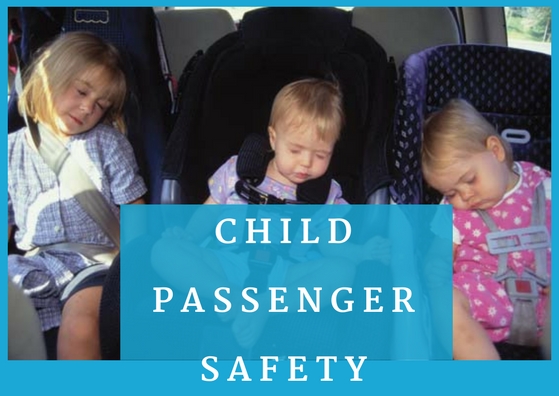
Child Passenger Safety Week is September 18-24, 2016 so it is a great time to review these tips to keep your most precious cargo safe.
1. Seventy-three percent of car seats are not used or installed correctly, so before you hit the road, check your car seat. Use the below car seat checklist to help you out. It takes only 15 minutes.
2. Learn how to install your car seat for free. The Safe Kids organization hosts car seat inspection events across the country where certified technicians can help you learn to install your car seat properly. They will teach you so that you can always be sure your car seat is used correctly. Click here to find an event near you.
3. Buy a used car seat only if you know its full crash history. That means you must buy it from someone you know, not from a thrift store or over the Internet. Once a car seat has been in a crash or is expired or broken, it needs to be replaced.
4. We know that when adults wear seat belts, kids wear seat belts. So be a good example and buckle up for every ride. Be sure everyone in the vehicle buckles up, too.
5. Never leave your child alone in a car, not even for a minute. While it may be tempting to dash out for a quick errand, the temperature inside your car can rise 20 degrees and cause heatstroke in the time it takes for you to run in and out of the store.
Car seat Checklist
Follow this easy-to-use checklist when buying a new child safety seat:
• The seat you have selected can be used rear-facing.
• The seat meets the federal motor vehicle safety standard. This information can be found on a sticker on the side of the car seat.
• Your child’s height and weight fits the height and weight limits listed on a label on the side of the car seat.
• The harness is easy for you to adjust each and every time you put your baby in and out of the seat.
• The seat is easy to install in your car.
• If you have more than one car and are buying an infant carrier with a base, you can buy a base for each car.
If you are buying a used child safety seat, you also have to check the following:
• The history of the child safety seat; make sure it was never involved in a crash.
• The seat has not been recalled. Visit the National Highway Traffic Safety Administration for recall information.
The seat is not too old. Most manufacturers place an expiration date on their child safety seats, which is normally around six years.
Museum of the Gulf Coast

JK Chevrolet is spotlighting local attractions that are fun for the family and tell the story of our region. One favorite is the Museum of the Gulf Coast in Port Arthur, Texas. It tells the exciting story of the Texas/Louisiana Gulf Coast region, beginning with paleontology and biology. Permanent exhibits include a section on Native Americans, European contact, the Civil War, economic and cultural growth, the petroleum industry, and the maritime history of the region. The Museum’s second floor is dedicated to the many internationally-recognized musicians and athletes who call the Gulf Coast home.
The Museum hosts three Popular Culture galleries featuring notable personalities of the Gulf Coast. The Music Hall of Fame features more than 60 music legends representing a wide array of genres. The Sports Legends Gallery highlights more than 60 athletes. Finally, the Notable People Gallery highlights 35 individuals who have achieved national and/or international recognition in a professional endeavor.
With an increasing emphasis on educational outreach, the Museum hosts thousands of children for school tours, programs, and a summer camp focusing on environmental stewardship. The Museum also offers “Family Fun Days” View Events Calendar here. In addition, the Museum serves as a resource for archival documents and photographs for academic researchers as well as local, national, and international media (link to collections).
The 39,000 square foot Museum is located at 700 Procter Street in downtown Port Arthur, Texas. In addition to two floors of exhibits, the Museum houses an orientation theater, a classroom, a hospitality area, and a gift shop. The facility is handicap accessible. For further information, call (409) 982-7000.
2016 Chevy Malibu -Better Than Ever!
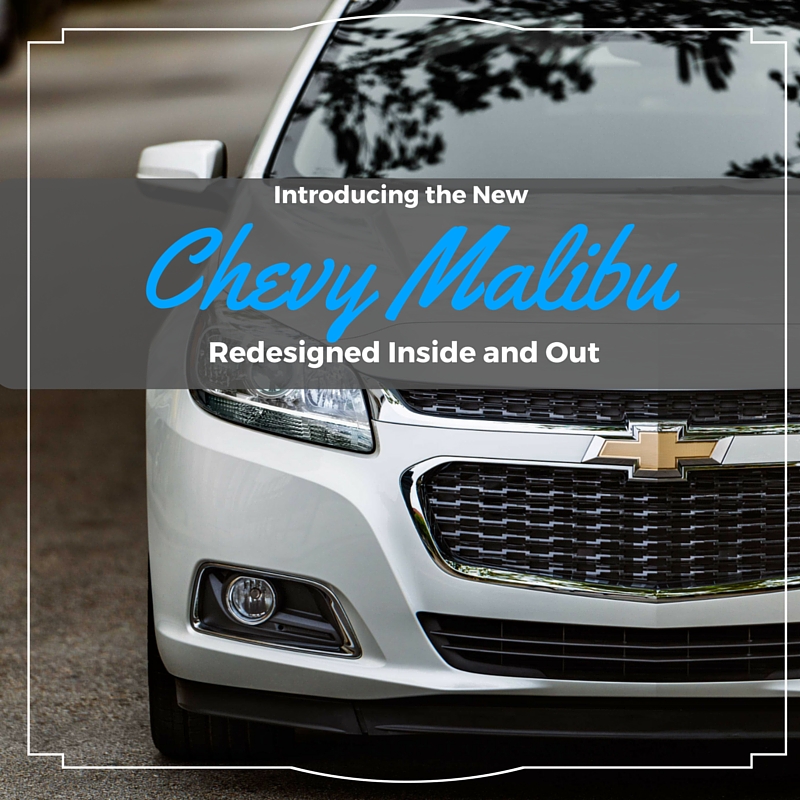
The 2016 Chevy Malibu is better than ever.
The messaging says it all: Get Used to the Attention
Here at JK Chevrolet, we think the Chevy Malibu is GM’s answer to a midsize sedan that is roomy enough for everyday driving with updated styling that outshines previous versions.
Car and Driver gives it strong points for new styling and an updated grill. Both key features that will turn heads. “With handsomely styled sheet metal and an aggressive front end, the Malibu is set to slice through the tedium that permeates the world of family sedans. The interior has more rear-seat legroom than before, while the materials and overall design lend an upscale look. Under the hood is a 160-hp turbo 1.5-liter four-cylinder; a 250-hp turbo 2.0-liter four is optional. Both have front-wheel drive and a six-speed automatic. A hybrid Malibu is also available, promising 48 mpg city and 45 mpg highway.” –Car and Driver
The Chevy Malibu is known for safety ratings, efficiency and seamless connectivity for a great driving experience. It is this this year’s winner for Car and Driver’s 2016 Editors’ Choice awards for best family sedan.
Model Highlights:
ENGINE TYPE: turbocharged and intercooled DOHC 16-valve inline-4, aluminum block and head, direct fuel injection
VEHICLE TYPE: front-engine, front-wheel-drive, 5-passenger, 4-door sedan
TRANSMISSION: 8-speed automatic with manual shifting mode
Car and Driver Test Results: Zero to 60 mph: 6.1 sec
FUEL ECONOMY: EPA city/highway driving: 22/32 mpg
Our team here at JK Chevrolet in Nederland, Texas is here to help you find out for yourself why it’s worth all the attention. Please call us at (409) 527-4142 to secure a test drive appointment or answer any other questions.
Caring for Your Truck
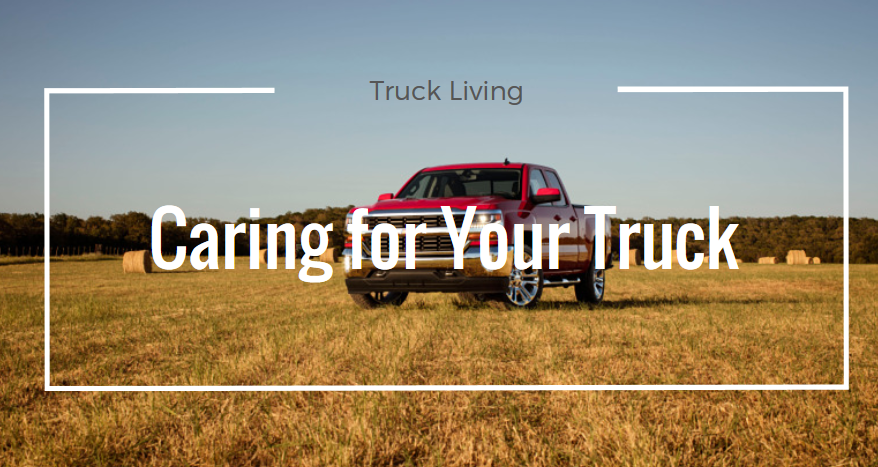
Congratulations, you finally made the leap and invested in your dream pickup truck. Taking care of your new truck so it lasts for the long-term is vital. JK Chevrolet has tips for truck owners in Nederland, Texas.
1. Regular upkeep
Regularly scheduled vehicle maintenance — oil changes and all-over inspections — tops most automotive experts’ lists to ensure trucks last longer. Should be a no-brainer, right? But regular maintenance can easily fall to the wayside when busy schedules, meetings, payroll, customer complaints and other obligations get in the way.
2. Be kind
Poor driving habits can take a toll on your truck. Quick takeoffs and short, abrupt stops affect the engine, brakes, hoses and expensive sensors.
Aggressive driving like tailgating falls into this category. Speeding up and slowing down doesn’t help your truck maintain its cool and it shows you’re losing yours. What did your parents always say? Slow and steady wins the race. If you’re on an interstate or a highway with minimal traffic, set the cruise and enjoy the ride.
City driving is a sport worthy of Olympic competition, especially when you have a long bed or crew cab. But keeping up with the general flow of traffic can safeguard against those excessive stops and starts.
So when you’re checking how your vehicle runs, make sure to check yourself, too — your attitude and your motoring skills.
3. Clean it up
If you’re not familiar with the effects of cold weather on vehicles. Regularly hosing off winter salt, sand and road grime make this list because something so simple can be easily disregarded. Running your rig through a hands-free carwash might seem like an extra expense, but the perks outweigh the cost.
Waxing isn’t a bad idea either. You might consider this a cosmetic — therefore, unnecessary — step, but waxing your truck a couple of times a year can keep protective topcoats doing what they’re made to do: protect your paint.
4. The pressure is on!
Get out and kick the tires. You did it when you were scoping out that new beauty, so keeping tires properly inflated to prevent unnecessary or uneven wear and tear should be common sense. And, no surprise, correct tire inflation can save money on gas, too.
Both underinflation and overinflation can significantly lower tire performance and cost you money. “Lower inflation pressure will allow the tire to deflect (bend) more as it rolls,” says TireRack.com. “This will build up internal heat, increase rolling resistance and cause a reduction in fuel economy of up to 5 percent.”
According to the U.S. Department of Energy, underinflated tires decrease gas mileage by more than 1.25 billion gallons of gasoline annually.
Not only can properly inflated tires put money in your pocket, they can save your life. Low tires make your vehicle unstable. Instability means it’s difficult to maintain control, especially in inclement weather conditions like rain, sleet or snow. A National Highway Traffic Safety Administration report says one in 20 crashes could be linked to tire-related problems.
Side note: Don’t rely on your eyes; seeing is not believing in this situation. Keep a tire gauge on hand to accurately check pressure regularly.
Tires are often the most neglected part of a vehicle. The simple step of keeping tires properly inflated costs almost nothing and it’s one of the most valuable ways you can extend the life of your truck.
Getting Your Vehicle Ready for Spring

It’s good practice to complete an annual spring maintenance check to reduce wear and tear throughout the life of your vehicle; spring tune-ups will help minimize major part replacements and limit future car expenses. If you have any questions regarding our tips, the mechanics at JK Chevrolet are available to field your questions.
1. Remove Left Over Salt With A Thorough Exterior Cleaning
Road salt used to melt ice and snow is damaging to your car’s undercarriage; it is also harmful to your vehicle’s paint finish. Ensure your car or truck receives a thorough exterior cleaning every spring. A simple wash and wax can go a long way; a full auto detailing service will go even farther.
2. Check Alignment and Suspension
Winter weather creates potholes in roads; driving over potholes strains your vehicle’s alignment and suspension, which means it’s a good practice to check both the alignment and suspension of your vehicle if your winter excursions were bumpy rides.
3. Hoses and Belts
Transitioning between freezing temperatures and extremely hot temperatures causes engine hoses and belts to expand and contract. Check to ensure no cracks or tears were created during winter. If cracks or tears exist, replace the belt or hose as soon as possible.
4. Check Tire Pressure, Tire Wear and Rotate Tires
Similar to the hoses and belts check – tires expand and contract in changing temperatures. The rubber can become weathered, cracked and worn down in winter weather – sometimes causing tires to wear unevenly, lose air and make them prone to damage. Blowing a tire on the highway is no fun; replacing a blown tire with a spare is even less fun. Completing a simple tire check in spring will help you avoid future tire trouble and consistently rotating tires extends the life of the tire.
5. Check Auto Fluids
In addition to the above auto maintenance checks, it’s good practice to always check auto fluids. Oil should be changed every three to five thousand miles. Anitfreeze, brake fluid, transmission fluid, power steering fluid and windshield washer fluid should also be replenished and flushed on a case by case basis.
Connect with us


- June 2026
- May 2026
- April 2026
- March 2026
- February 2026
- January 2026
- December 2025
- November 2025
- October 2025
- September 2025
- August 2025
- June 2025
- May 2025
- April 2025
- November 2017
- October 2017
- September 2017
- August 2017
- July 2017
- June 2017
- May 2017
- April 2017
- January 2017
- November 2016
- October 2016
- September 2016
- August 2016
- June 2016
- May 2016
- April 2016
Archives
- 2025 Chevrolet Corvette Stingray
- 2025 Chevy Cars
- 2025 Chevy Equinox EV
- 2025 Chevy Lineup
- 2026 Chevrolet Equinox
- 2026 Chevy Tahoe
- 2026 Silverado lineup
- Chevy Colorado
- Chevy Equinox
- Chevy EVs
- chevy exterior care
- Chevy Silverado 1500
- Chevy Suburban
- Chevy SUVs
- Chevy Tahoe
- chevy trailblazer
- Chevy Truck
- Chevy Trucks
- JK Chevrolet Service
- Nederland Chevrolet Dealer
- Nederland Chevrolet Service
- Uncategorized