





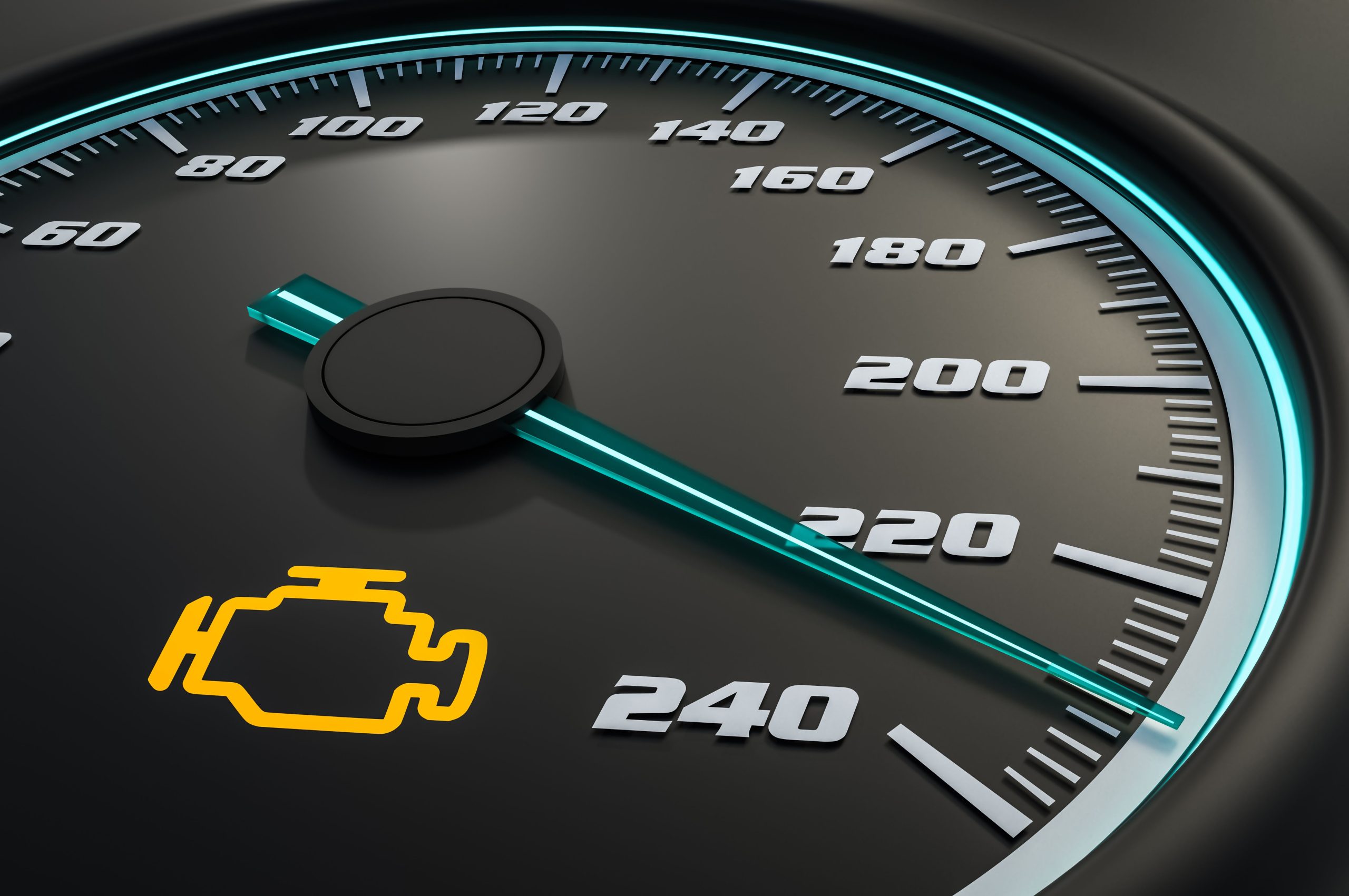
Ah yes. The check engine light. That small, glowing orange menace that appears on your dashboard with all the subtlety of a fire alarm in a library. It might mean nothing. Or it might mean something expensive. For drivers in Nederland, TX, knowing how to react—calmly, logically, and without panic—can save a great deal of time, money, and unnecessary stress.
This light is part of your vehicle’s onboard diagnostics system, designed to tell you that something, somewhere, is not behaving as it should. Sometimes it’s trivial. Sometimes it is not. The trick is knowing how to respond before a minor issue turns into a mechanical soap opera.
Common Reasons the Check Engine Light Appears
- Loose or Faulty Gas Cap
Start with the most boring explanation, because it is also the most common. A loose or damaged gas cap can allow fuel vapors to escape, upsetting the emissions system and triggering the light. Tighten it until it clicks, drive for a bit, and see if the light clears. If it doesn’t, the cap itself may be worn and need replacing. Annoying, yes. Catastrophic, no.
- Oxygen Sensor Problems
The oxygen sensor keeps an eye on the exhaust to make sure fuel is being burned properly. When it stops doing its job, fuel economy suffers and emissions increase. Ignore it long enough and it can damage the catalytic converter, which is the automotive equivalent of turning a paper cut into surgery. Fix it early and move on with your life.
- Worn Spark Plugs or Ignition Coils
Spark plugs and ignition coils are small, hardworking components with a limited lifespan. When they wear out, misfires occur, performance drops, and the check engine light switches itself on like a disappointed parent. Routine maintenance keeps this from escalating into something far more irritating.
A Sensible Approach to Check Engine Light Troubleshooting
Step 1: Do Not Pretend It Isn’t There
Ignoring the light is tempting, but it is rarely clever. Pay attention to how the vehicle feels. Rough idle, hesitation, odd noises, or reduced power are all signs that action should be taken sooner rather than later.
Step 2: Look for the Obvious
Check the gas cap. Take a quick look under the hood for anything clearly loose, disconnected, or leaking. Sometimes the solution really is that simple, and you can enjoy a small but satisfying victory.
Step 3: Read the Diagnostic Codes
An OBD-II scanner will tell you exactly why the light is on by pulling diagnostic trouble codes from the vehicle’s computer. Many auto parts stores will scan the codes for free, or you can keep a scanner handy at home. Codes don’t fix the problem, but they remove the guesswork, which is half the battle.
Step 4: Bring in the Professionals
If the cause isn’t obvious or the issue persists, it is time for proper diagnostics. The technicians at JK Chevrolet use manufacturer-level equipment to pinpoint the problem accurately and repair it correctly the first time. Guessing is not a strategy. Diagnostics are.
Keeping the Light Off in the Future
Regular maintenance remains the best defense against surprise dashboard warnings. Staying current with oil changes, inspections, and component replacements keeps systems operating as designed and helps prevent that glowing orange interruption from appearing again.
Get Expert Help in Nederland, TX
The check engine light does not have to ruin your day. With a calm, step-by-step response, most issues can be addressed before they grow into something far more dramatic. For accurate diagnostics and dependable repairs, visit JK Chevrolet in Nederland, TX. Their service team can turn a worrying warning light into a straightforward fix—and get you back to driving without the glow of mechanical judgment staring back at you.
Connect with us


- July 2026
- June 2026
- May 2026
- April 2026
- March 2026
- February 2026
- January 2026
- December 2025
- November 2025
- October 2025
- September 2025
- August 2025
- June 2025
- May 2025
- April 2025
- November 2017
- October 2017
- September 2017
- August 2017
- July 2017
- June 2017
- May 2017
- April 2017
- January 2017
- November 2016
- October 2016
- September 2016
- August 2016
- June 2016
- May 2016
- April 2016
Archives
- 2025 Chevrolet Corvette Stingray
- 2025 Chevy Cars
- 2025 Chevy Equinox EV
- 2025 Chevy Lineup
- 2026 Chevrolet Equinox
- 2026 Chevy Tahoe
- 2026 Chevy Trax at JK Chevrolet
- 2026 Chevy Trax Inventory
- 2026 Chevy Trax Lineup
- 2026 Silverado lineup
- Chevy battery service
- Chevy Colorado
- Chevy Equinox
- Chevy EVs
- chevy exterior care
- Chevy Silverado 1500
- Chevy Suburban
- Chevy SUVs
- Chevy Tahoe
- chevy trailblazer
- Chevy Truck
- Chevy Trucks
- JK Chevrolet Service
- Nederland Chevrolet Dealer
- Nederland Chevrolet Service
- Uncategorized