





Blog / Nederland Chevrolet Service

What to Do When Your Check Engine Light Comes On: A Step-by-Step Guide

check engine light 3

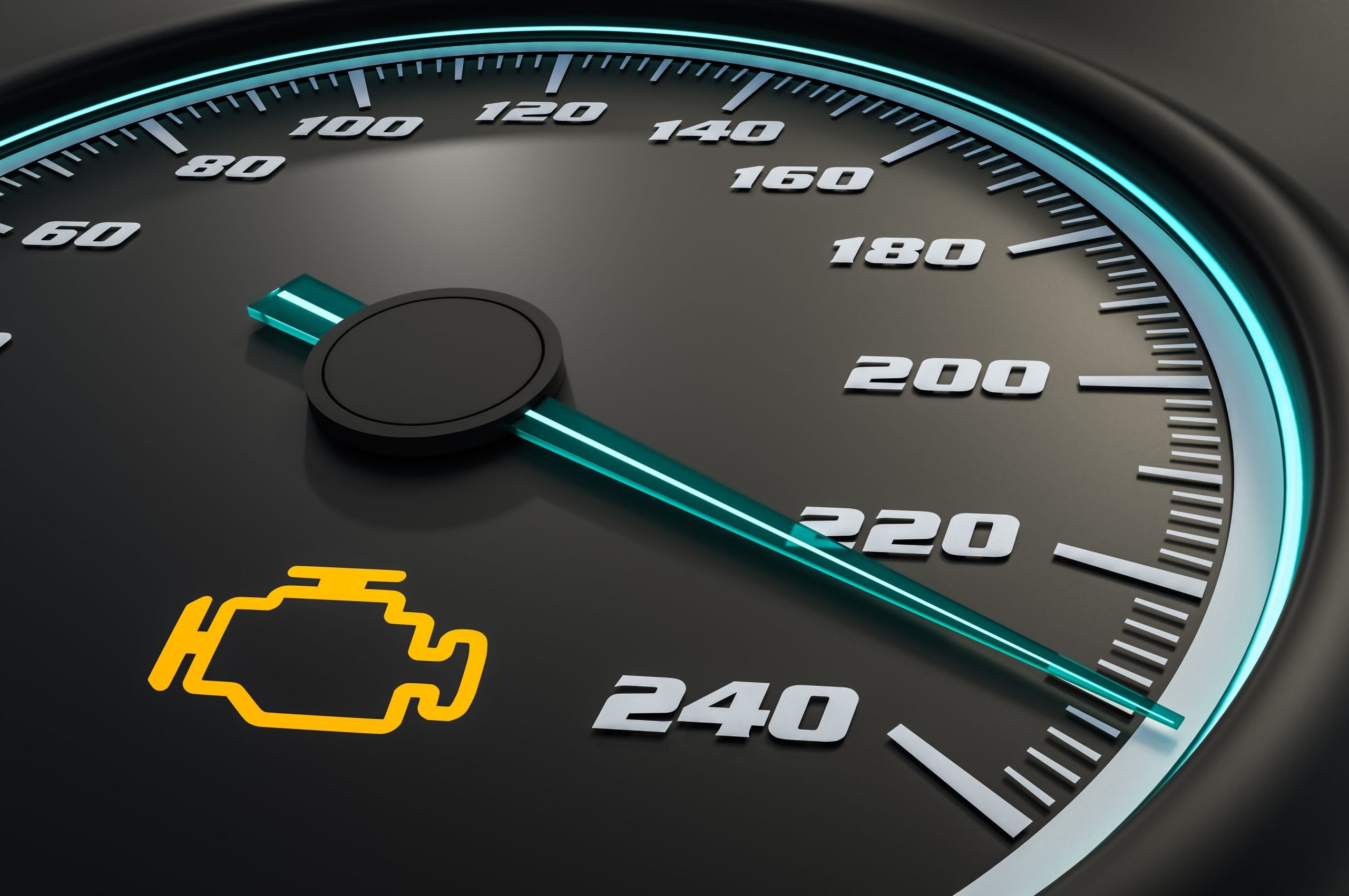
Ah yes. The check engine light. That small, glowing orange menace that appears on your dashboard with all the subtlety of a fire alarm in a library. It might mean nothing. Or it might mean something expensive. For drivers in Nederland, TX, knowing how to react—calmly, logically, and without panic—can save a great deal of time, money, and unnecessary stress.

This light is part of your vehicle’s onboard diagnostics system, designed to tell you that something, somewhere, is not behaving as it should. Sometimes it’s trivial. Sometimes it is not. The trick is knowing how to respond before a minor issue turns into a mechanical soap opera.

Common Reasons the Check Engine Light Appears

  • Loose or Faulty Gas Cap

Start with the most boring explanation, because it is also the most common. A loose or damaged gas cap can allow fuel vapors to escape, upsetting the emissions system and triggering the light. Tighten it until it clicks, drive for a bit, and see if the light clears. If it doesn’t, the cap itself may be worn and need replacing. Annoying, yes. Catastrophic, no.

  • Oxygen Sensor Problems

The oxygen sensor keeps an eye on the exhaust to make sure fuel is being burned properly. When it stops doing its job, fuel economy suffers and emissions increase. Ignore it long enough and it can damage the catalytic converter, which is the automotive equivalent of turning a paper cut into surgery. Fix it early and move on with your life.

  • Worn Spark Plugs or Ignition Coils

Spark plugs and ignition coils are small, hardworking components with a limited lifespan. When they wear out, misfires occur, performance drops, and the check engine light switches itself on like a disappointed parent. Routine maintenance keeps this from escalating into something far more irritating.

A Sensible Approach to Check Engine Light Troubleshooting

Step 1: Do Not Pretend It Isn’t There

Ignoring the light is tempting, but it is rarely clever. Pay attention to how the vehicle feels. Rough idle, hesitation, odd noises, or reduced power are all signs that action should be taken sooner rather than later.

Step 2: Look for the Obvious

Check the gas cap. Take a quick look under the hood for anything clearly loose, disconnected, or leaking. Sometimes the solution really is that simple, and you can enjoy a small but satisfying victory.

Step 3: Read the Diagnostic Codes

An OBD-II scanner will tell you exactly why the light is on by pulling diagnostic trouble codes from the vehicle’s computer. Many auto parts stores will scan the codes for free, or you can keep a scanner handy at home. Codes don’t fix the problem, but they remove the guesswork, which is half the battle.

Step 4: Bring in the Professionals

If the cause isn’t obvious or the issue persists, it is time for proper diagnostics. The technicians at JK Chevrolet use manufacturer-level equipment to pinpoint the problem accurately and repair it correctly the first time. Guessing is not a strategy. Diagnostics are.

Keeping the Light Off in the Future

Regular maintenance remains the best defense against surprise dashboard warnings. Staying current with oil changes, inspections, and component replacements keeps systems operating as designed and helps prevent that glowing orange interruption from appearing again.

Get Expert Help in Nederland, TX

The check engine light does not have to ruin your day. With a calm, step-by-step response, most issues can be addressed before they grow into something far more dramatic. For accurate diagnostics and dependable repairs, visit JK Chevrolet in Nederland, TX. Their service team can turn a worrying warning light into a straightforward fix—and get you back to driving without the glow of mechanical judgment staring back at you.
Posted in:

Related Posts

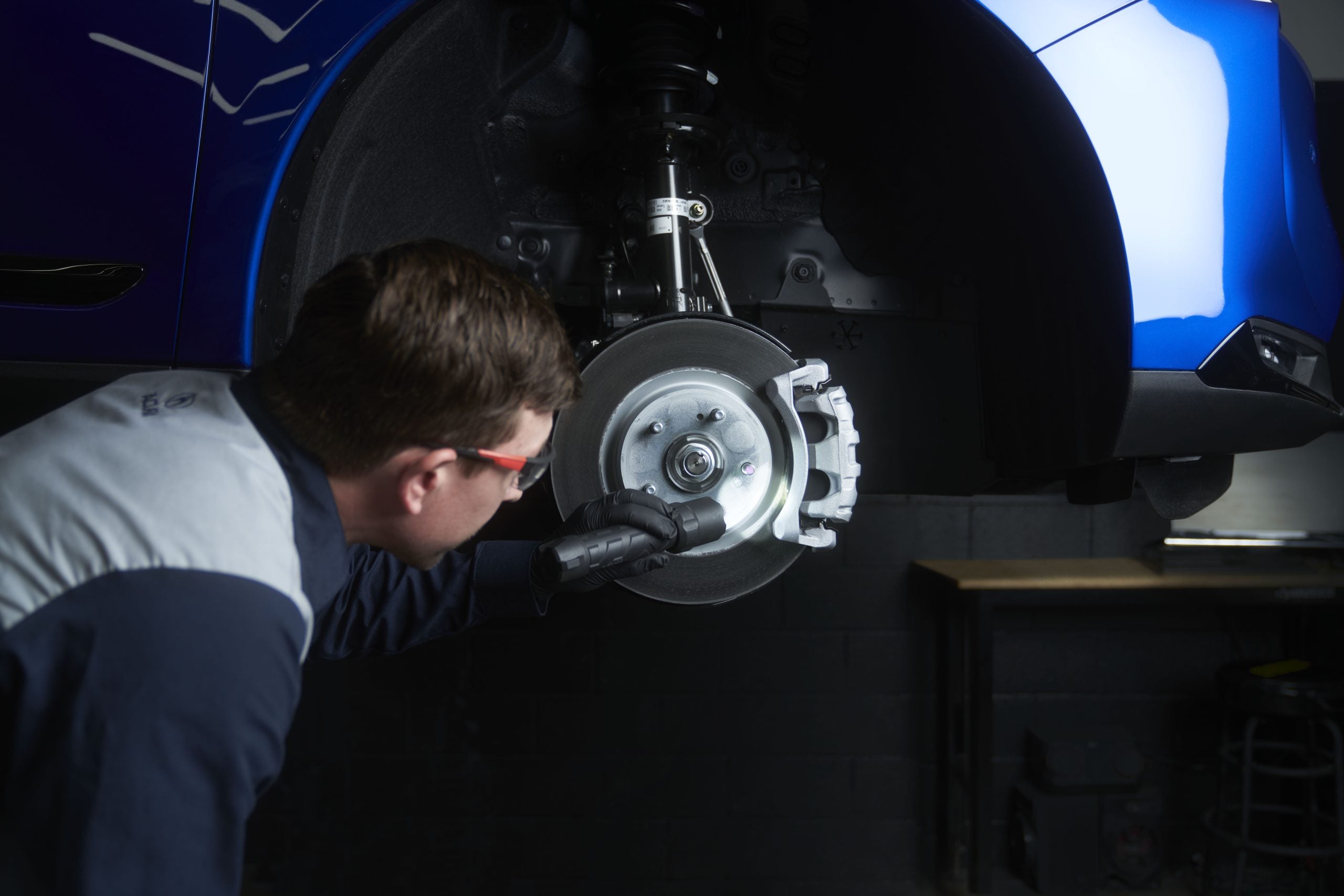
A mechanic inspecting the brake system of a car in a workshop.

Schedule Your Chevrolet Brake Inspection at JK Chevrolet

Driving on busy roads in Nederland, TX requires a vehicle that operates correctly. JK Chevrolet provides brake inspections to help maintain car safety, and our staff is available to answer your questions. This service is important for the performance of your vehicle on local roads, so we encourage you to contact our service department to discuss your maintenance needs. more Why are Chevrolet Brake Inspections Important? Chevrolet brake inspections are necessary for identifying wear and tear before it becomes a safety hazard. Over time, brake pads, rotors, and other parts naturally degrade because of usage. If you do not have regular checks, you risk reduced stopping power, and this can compromise your car safety. For Chevrolet owners in Nederland, TX, where stop-and-go traffic and long highway stretches are common, ensuring your brakes are in good condition is a requirement. Regular inspections help performance, and they also prevent expensive repairs later. Key Benefits of Routine Brake Maintenance Brake maintenance involves a full check of the entire braking system, and this includes fluid levels, calipers, and rotors. Maintenance provides these results: Enhanced Safety: Properly maintained brakes reduce stopping distances, and they improve overall control during emergency situations. Cost Savings: Addressing minor issues during a Chevrolet brake inspection can prevent expensive repairs in the future. Extended Lifespan: Routine maintenance helps the parts of your braking system last longer, and it ensures reliable performance for many years. In Nederland, TX, where weather conditions can change, maintaining your brakes is important for handling stops on wet roads. Signs You Need a Brake Inspection There are specific signs that indicate your vehicle needs immediate attention: Squealing or Grinding Noises: These sounds often signal worn brake pads or damaged rotors. Vibration While Braking: A vibrating pedal could mean warped rotors or uneven wear. Soft or Spongy Pedal Feel: This might indicate air in the brake lines or low brake fluid levels. Warning Lights: If your dashboard displays a brake warning light, you should schedule an inspection. Regular Chevrolet brake inspections are necessary for maintaining car safety, and they ensure your vehicle operates efficiently on Texas roads. Proactive brake maintenance can save you time and stress, and it is 1 of the best ways to care for your car. If you are in Nederland, TX, visit JK Chevrolet today for expert brake services tailored to your vehicle. Your safety is our primary concern.

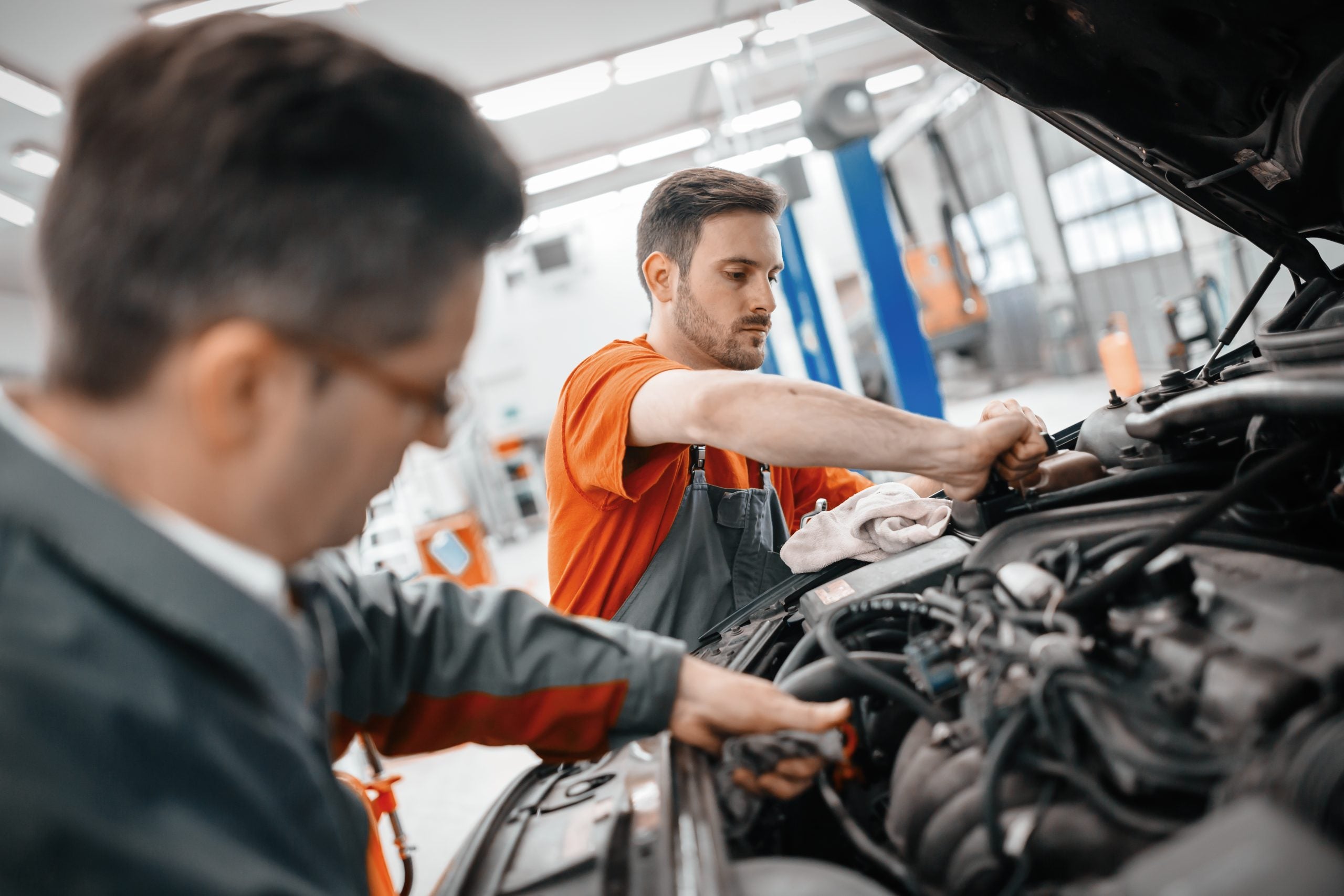
Vehicle maintenance service in repair shop

How Texas Heat Impacts Your Chevy's Battery, Tires, and Cooling System

If you live in Southeast Texas, you already know how punishing the summer sun can be. Staying on top of routine car maintenance with JK Chevrolet in Nederland, TX, protects your vehicle from costly repairs and unexpected breakdowns. Understanding how extreme temperatures affect your Chevy helps you stay ahead of damage before it starts. Contact our team today to keep your vehicle running in top condition all summer long. more How the Heat Affects Your Chevy's Battery Most drivers associate dead batteries with cold weather, but high summer temperatures take a serious toll on your battery. Extreme heat accelerates internal chemical reactions, evaporating battery fluid and causing rapid deterioration. If your Chevy is a few years old, summer heat can push a weakened battery past its limit. Chevy battery service includes testing charge levels and overall health, so you know if it's time for a replacement before getting stranded on a hot day. Routine testing remains one of the smartest preventive steps you can take before peak summer temperatures arrive. What Extreme Heat Does to Your Tires Your tires serve as your Chevy's only contact point with the road, making tire care vital during Texas summers. Rising ambient temperatures increase internal tire pressure. Overinflation from heat buildup elevates the risk of a blowout on hot pavement. Underinflation causes equal harm by creating excess friction and generating additional heat. Check your tire pressure regularly throughout the summer, ideally in the morning before pavement temperatures rise. Inspect the tread for uneven wear and the sidewalls for cracking, as both indicate a tire struggling in extreme heat. Why Your Cooling System Needs Attention in Summer Your Chevy's cooling system works constantly when temperatures soar to prevent engine overheating. Low coolant levels, a worn radiator hose, or a faulty thermostat can quickly trigger severe engine damage. Hot weather issues often appear in the cooling system first. Common warning signs include a rising temperature gauge, steam rising from the engine bay, or a sweet smell near the front end. Professional cooling system service involves checking coolant concentration, inspecting hoses and caps, and verifying water pump operation. Don't Wait for a Warning Light By the time a dashboard warning light appears, damage is already occurring. Inspecting your battery, tires, and cooling system before peak summer heat arrives is always more affordable than reactive repairs. Proactive care builds strong habits that protect your investment all season long. Visit JK Chevrolet for Summer Service If you own a Chevy in Nederland, TX, now is the ideal time to schedule a seasonal inspection. The experienced team at JK Chevrolet stands ready to keep your vehicle running smoothly through the hottest months of the year. From battery diagnostics to cooling system checks, getting your Chevy serviced early provides total peace of mind. Schedule your appointment online or visit our dealership today.